


lodi646 | Enhancing Literacy Through Digital Play: The Role of 'Reading Skills' Games
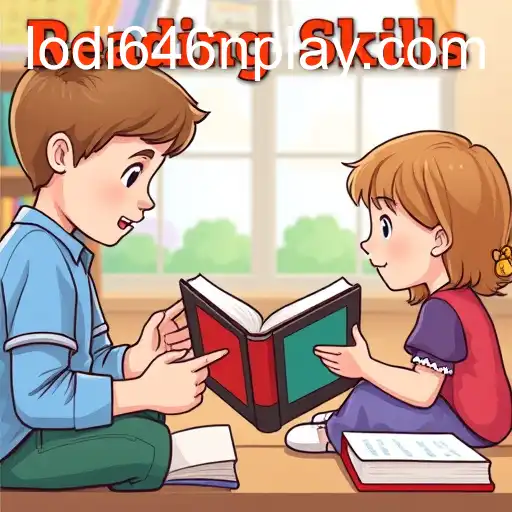
In today's digital age, educational technology has transcended the traditional classroom, offering new and innovative ways to engage students in learning. One such development is the 'Reading Skills' game category found on various educational websites. With the unique tag 'lodi646', these games are specifically designed to improve literacy by engaging children with interactive and enjoyable activities.
The importance of reading skills for children cannot be overstated. It forms the foundation for their academic journey, critical thinking, and lifelong learning. However, traditional methods of teaching reading can sometimes fail to capture the diverse learning styles and interests of young students. This is where 'Reading Skills' games step in, offering a dynamic and personalized approach to literacy education.
Games in this category incorporate colorful graphics, engaging storylines, and interactive challenges tailored to different reading levels. They focus on a range of skills, including phonemic awareness, vocabulary building, comprehension, and fluency. By leveraging the principles of gamification, these activities transform reading from a rigid task into a playful exploration.
For instance, games labeled with 'lodi646' are crafted with the understanding that young learners are more inclined to engage with content that feels less like work and more like play. The use of instant feedback, rewards, and level progression not only keeps children motivated but also helps them track their progress, thus fostering a sense of achievement.
Moreover, the flexibility of these digital platforms allows for the creation of adaptive learning environments. This means that as a child improves, the complexity of the reading tasks can be adjusted to match their new proficiency levels, ensuring that they are continually challenged and engaged without being overwhelmed.
Educators and parents alike are recognizing the benefits of incorporating 'Reading Skills' games into literacy education. Not only do these games captivate the attention of young learners, but they also reinforce concepts taught in more formal educational settings. By using digital tools that students are naturally drawn to, educators can bridge the gap between classroom learning and independent study, creating a more holistic educational experience.
In conclusion, as the educational landscape continues to evolve, 'Reading Skills' games stand out as a testament to the potential of digital learning tools. By integrating technology with teaching, these games not only support literacy development but also prepare children for a future in which digital literacy is paramount.
